Do a search:

Most searched
Fuel price
Pre-salt
Team Petrobras
O uso deste material é autorizado apenas para fins editoriais.
Petrobras produces SAF with renewable content at Revap
Test carried out at the refinery marks a milestone for the production of fuel that reduces emissions in the aviation sector
Ehder de Souza/Agência Petrobras
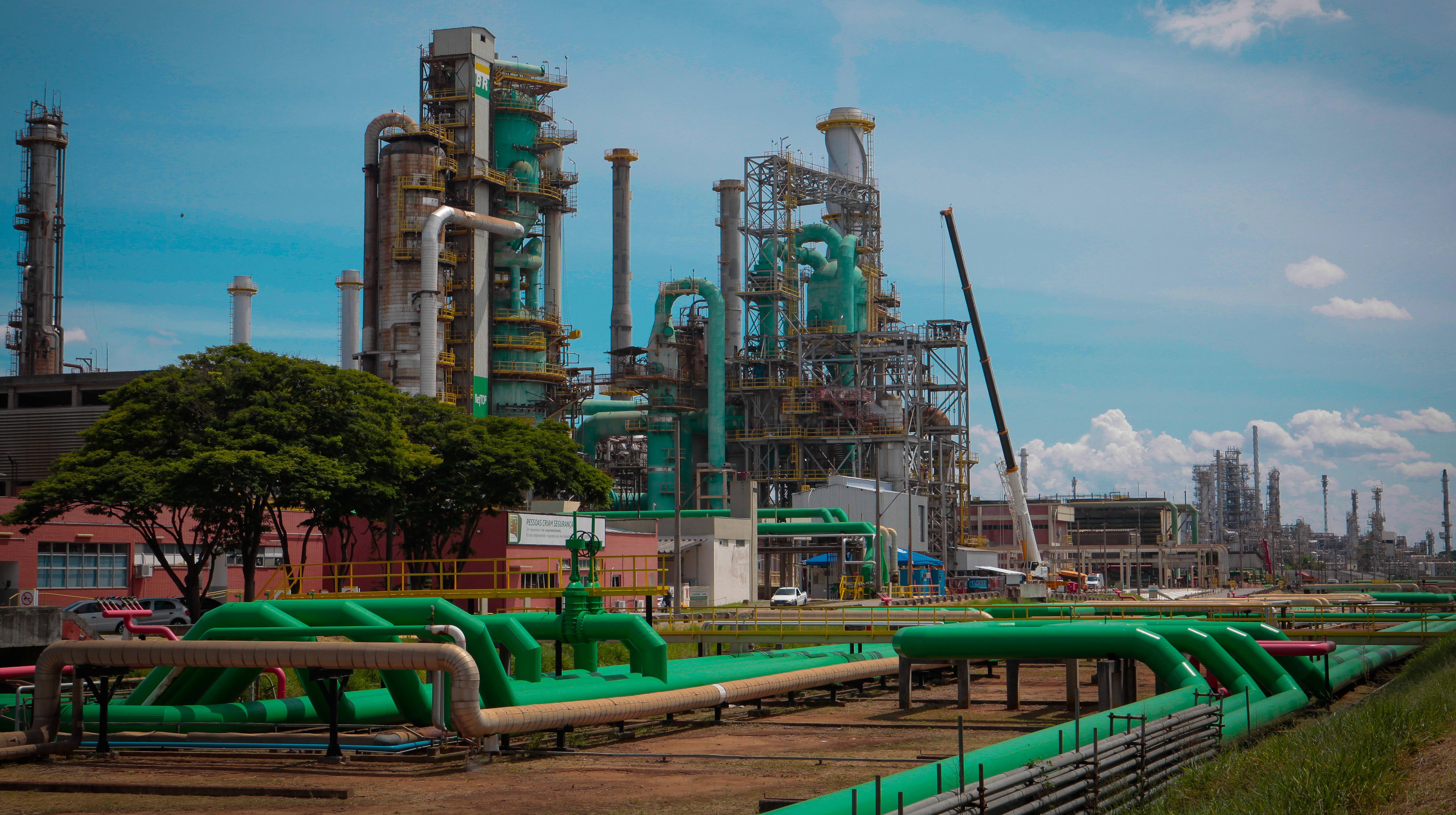
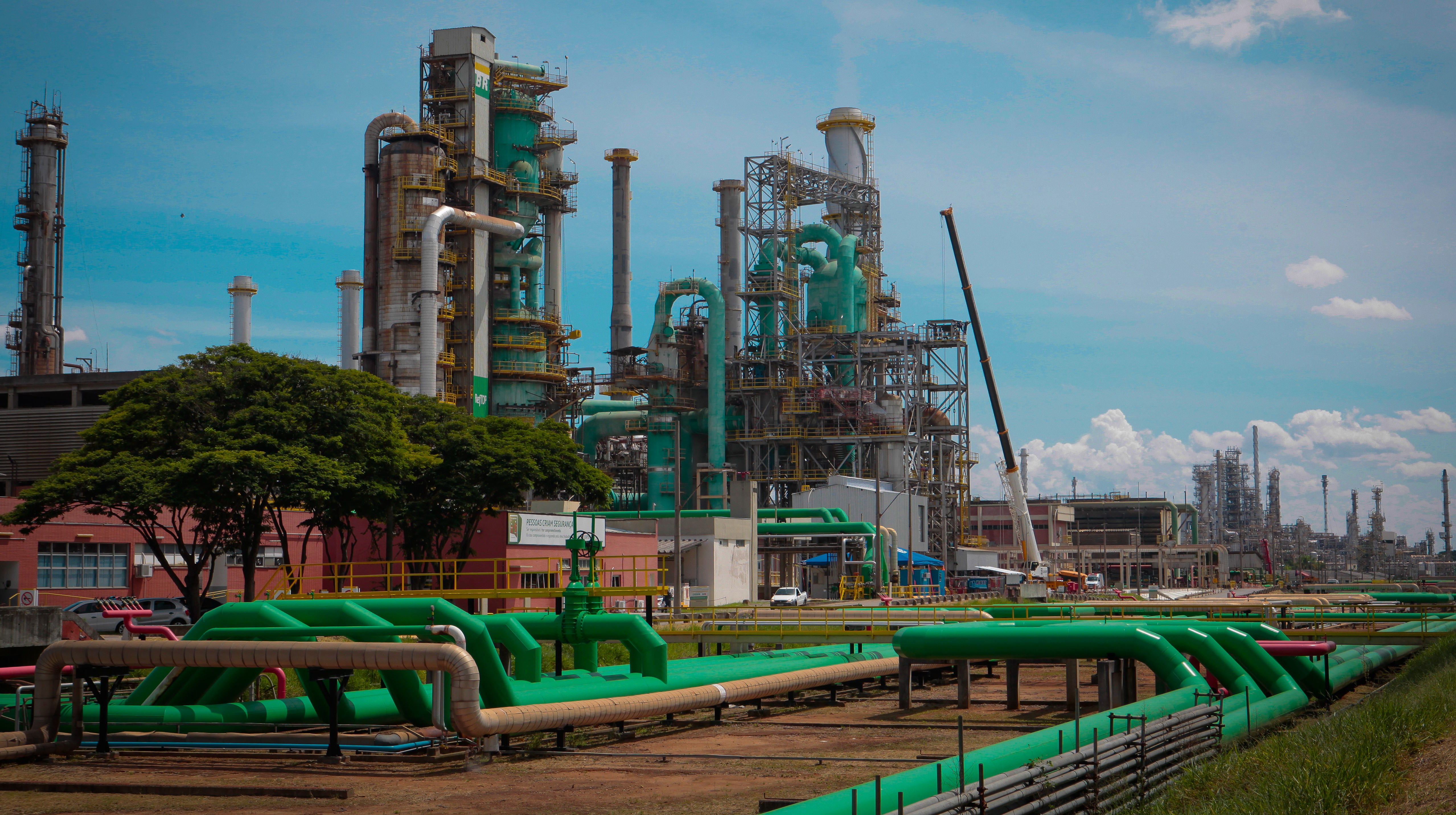
Test conducted at the Henrique Lage Refinery (Revap), in São José dos Campos (SP)
Download Test conducted at the Henrique Lage Refinery (Revap), in São José dos Campos (SP)In the first week of September, Petrobras' Henrique Lage Refinery (Revap), in São José dos Campos (SP), conducted tests for the production of SAF from the co-processing of vegetable oil mixed with traditional petroleum streams.
Sustainable aviation fuel, also known as SAF, can directly replace conventional kerosene without the need for modifications to aircraft or fueling infrastructure. This makes it a practical and immediate solution to reduce emissions in the aviation sector.
During the test at Revap, vegetable oil was added to the traditional aviation kerosene (QAV) production process. The vegetable oil content in the product reached up to 1.2%, a key milestone in the production of more sustainable aviation fuels. According to Revap's general manager, Alexandre Coelho Cavalcanti, "this is a lower investment approach for the production of fuels with renewable content, as it uses existing assets," he noted.
The consolidation of the technological route for SAF production through co-processing is especially relevant to the market, considering the sector's future requirements. Starting in 2027, airlines in Brazil will be required to use this type of fuel, in line with the Future Fuel Law and the mandatory phase of CORSIA, which is the International Civil Aviation Organization's (ICAO) program for reducing and offsetting CO₂ emissions from international flights.
Commitment to a just energy transition in the sector
According to Petrobras' Director of Industrial Processes and Products, William França, this advancement represents a technological milestone for Petrobras and an important step for Brazil in the global effort against climate change. "The initiative demonstrates Petrobras' commitment to innovation and sustainability, preparing to meet the future demands of a more sustainable aviation sector," said the director.
Recently, the Duque de Caxias Refinery (Reduc), in Rio de Janeiro, obtained authorization from the National Agency of Petroleum, Natural Gas and Biofuels (ANP) to incorporate up to 1.2% of renewable raw material in SAF production. The forecast is that, in the coming months, the refinery will begin production for commercialization.
Downloads
Text of this article
Text downloadVideos from this article
You may be interested in



Use our search to find what you are looking for
Do a search:
Most searched
Fuel price
Pre-salt
Team Petrobras
Choose a channel:
Do a search:
Most searched
Fuel price
Pre-salt
Team Petrobras
Accessibility:
Language:
Select a language: