Do a search:

Most searched
Fuel price
Pre-salt
Team Petrobras
O uso deste material é autorizado apenas para fins editoriais.
Petrobras brings forward start of production of Búzios 8 (P-79)
Unit incorporates advances in energy efficiency
Press Photo / Petrobras
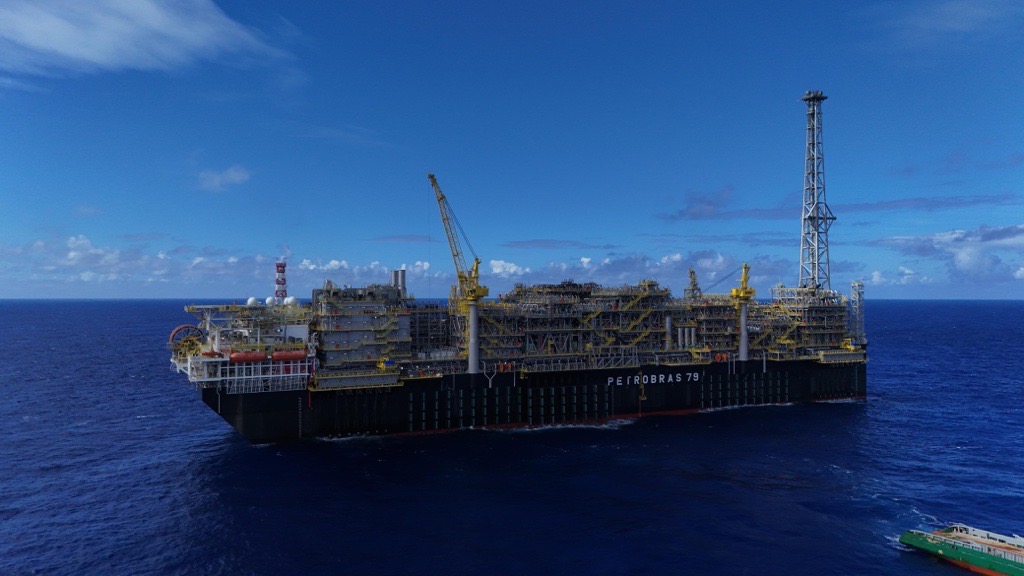
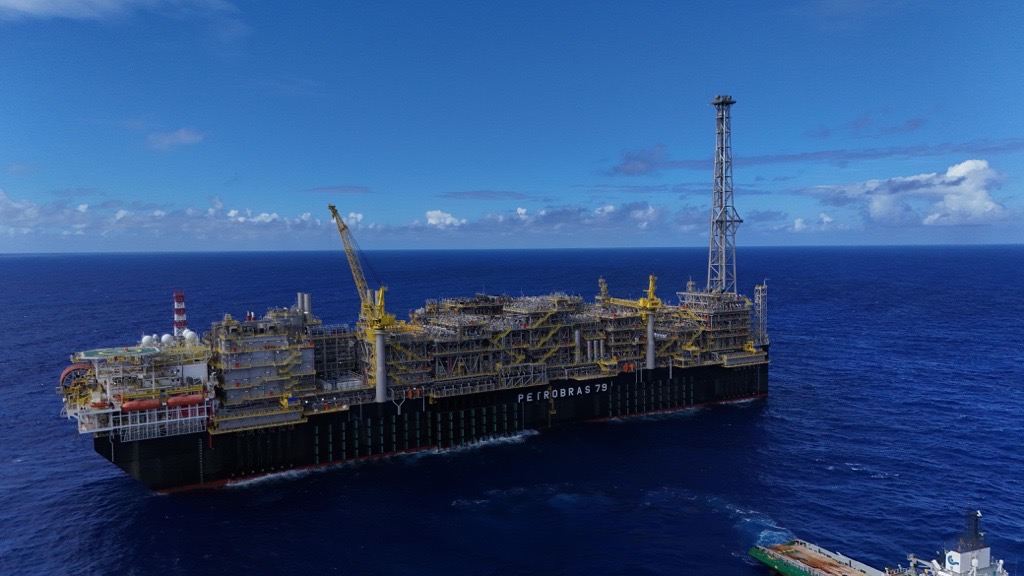
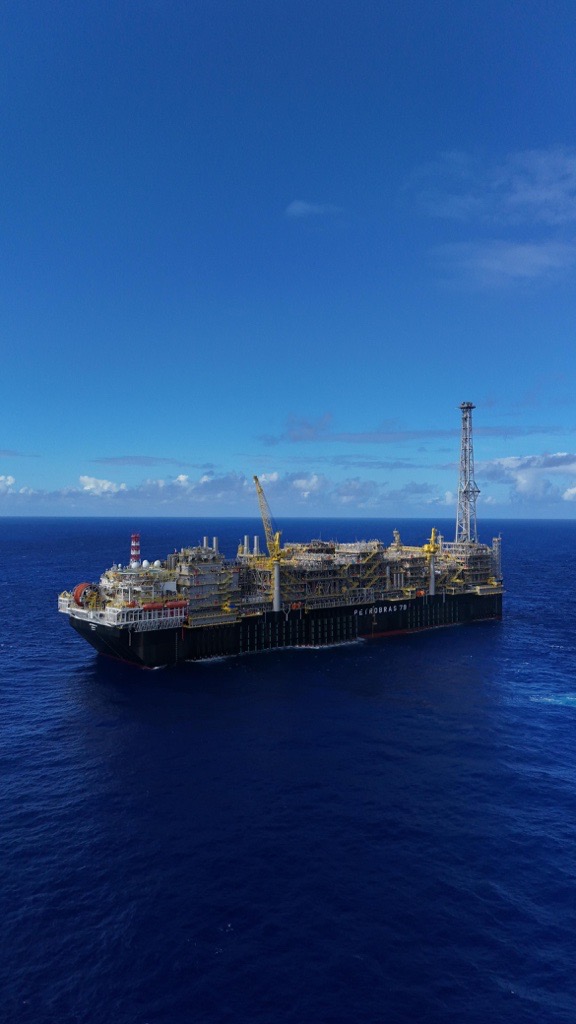
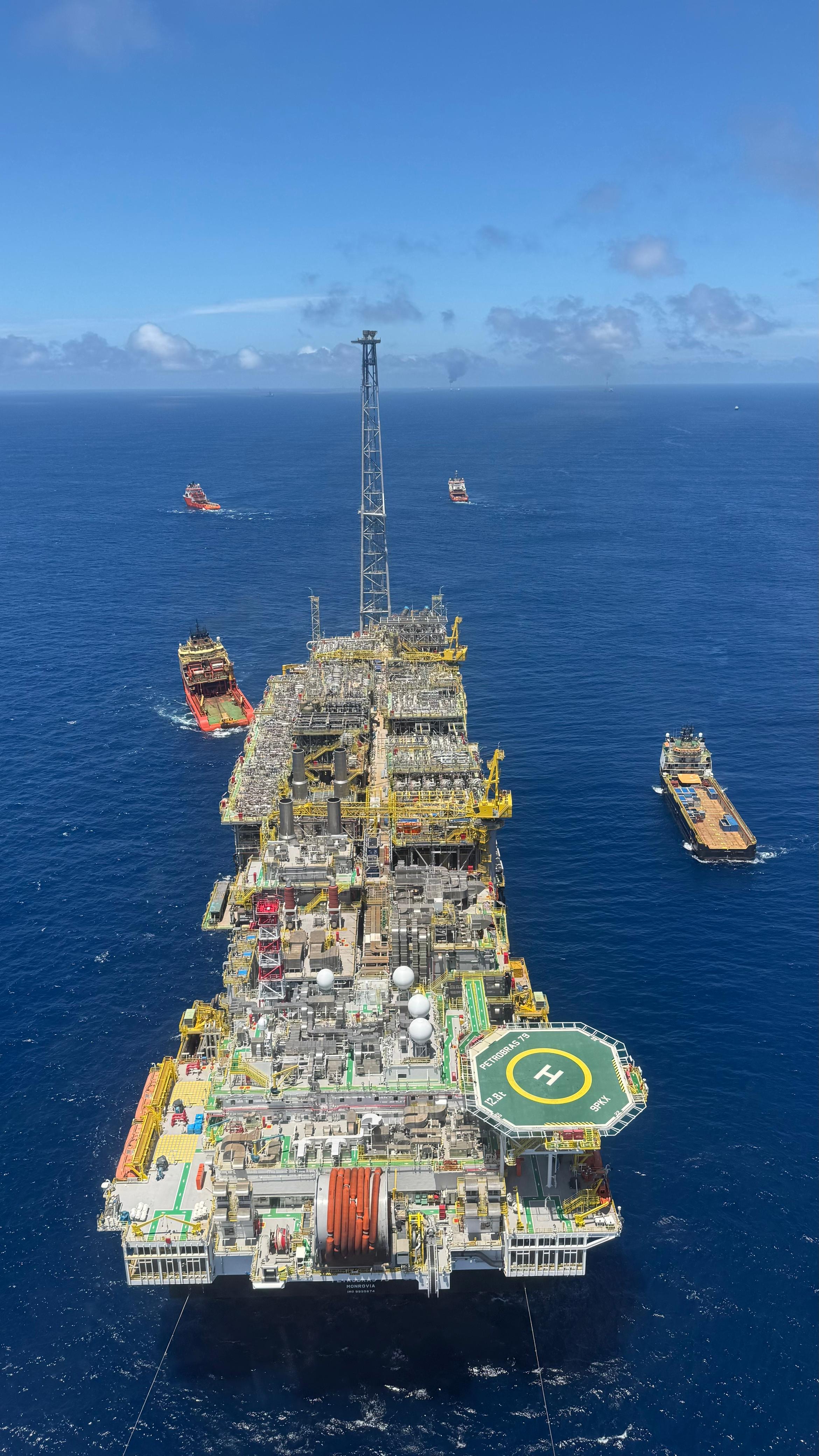
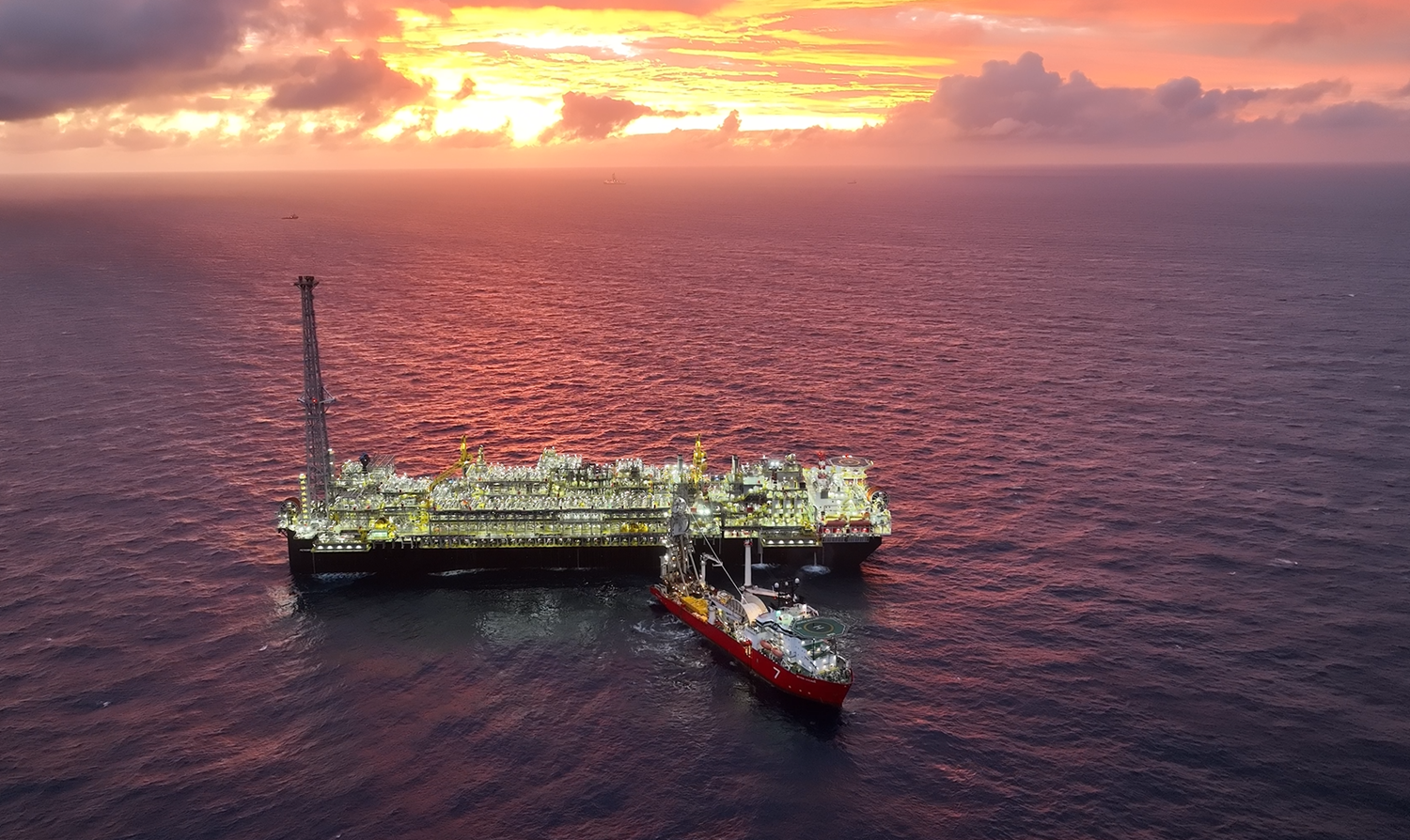
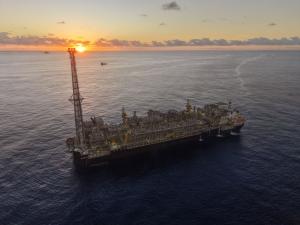
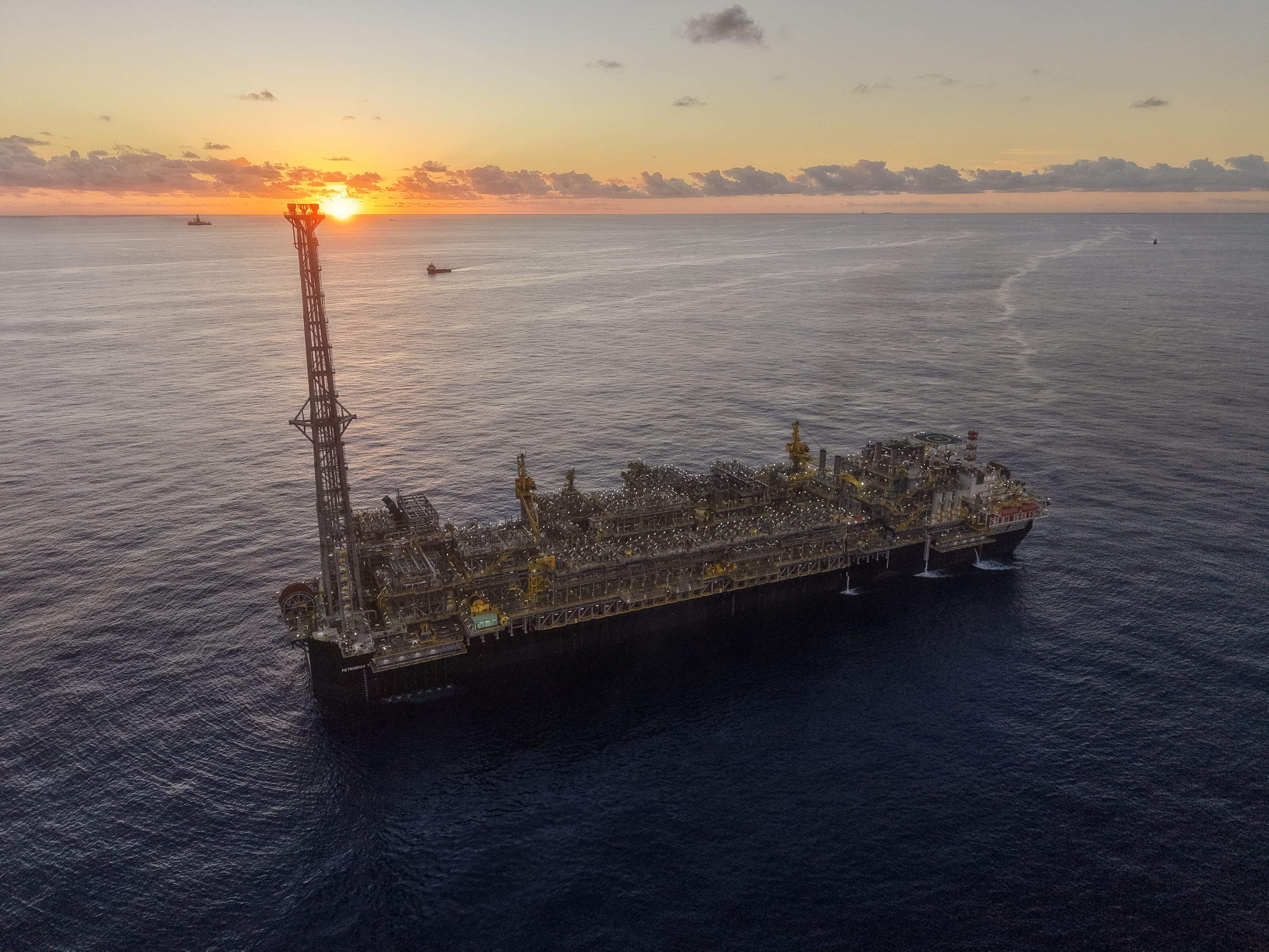
P-79 is the eighth platform in the Búzios field, has a production capacity of 180 thousand barrels of oil and gas compression of 7.2 million m³ per day
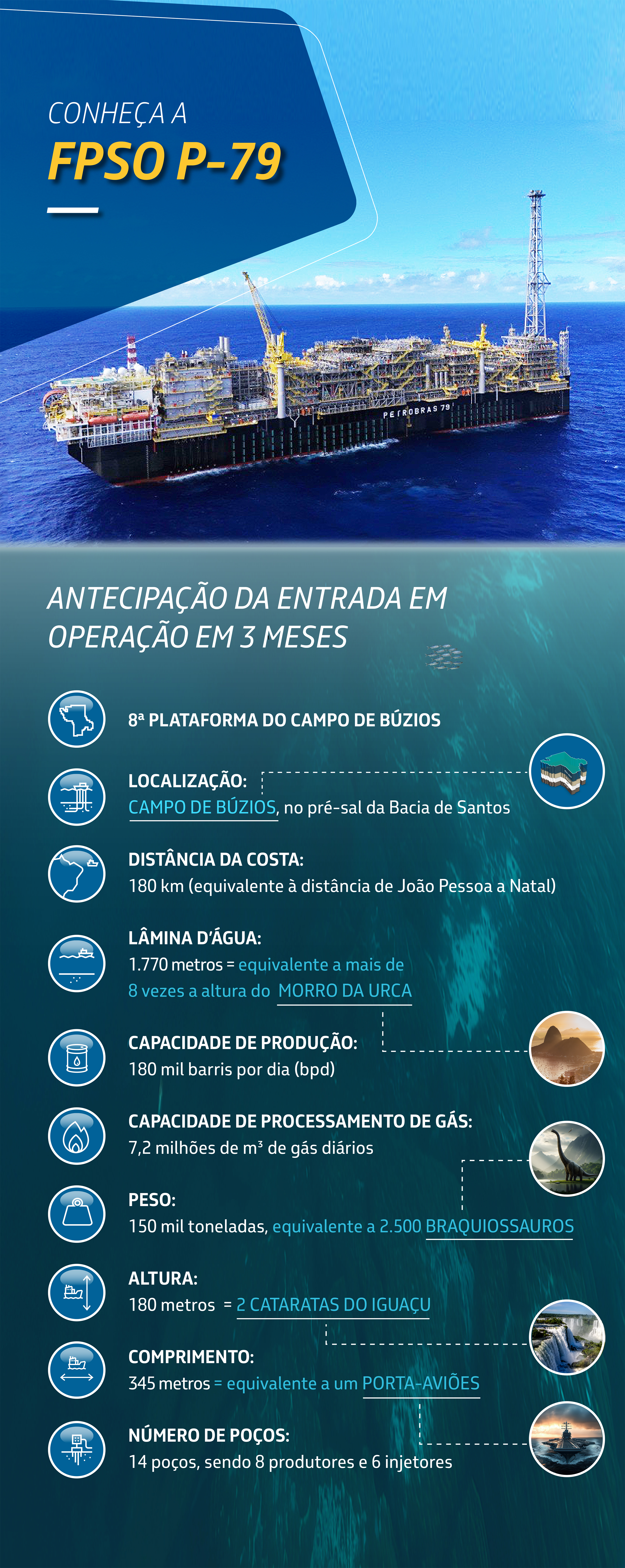
Download P-79 is the eighth platform in the Búzios field, has a production capacity of 180 thousand barrels of oil and gas compression of 7.2 million m³ per dayThe P-79 platform, located in the pre-salt layer of the Santos Basin, began production on 01/05, three months ahead of the date scheduled in the 2026–2030 Business Plan (PN 26–30) and a total of five months ahead compared to the previous year's plan (PN 25–29). The eighth platform in the Búzios field, with a capacity of 180 thousand barrels of oil and gas compression of 7.2 million m³ per day, the unit will increase the field's installed production capacity to approximately 1.33 million barrels of oil per day.
Measuring 345 meters in length and 180 meters in height (up to the top of the flare), P-79 arrived in Brazil in February, coming from South Korea, carrying the commissioning and operations teams on board. This strategy generated value by eliminating the need for a stop in sheltered waters in Brazil, in addition to gains in safety, reliability, and operational readiness due to the advancement of system commissioning during the transit. The project will allow gas to be exported to the mainland via connection with the Rota 3 gas pipeline, with the potential to expand gas supply in Brazil by up to 3 million m³ per day.
As of today, production will be gradually increased as the wells are connected to the platform, in line with the stabilization of the unit's systems.
According to Sylvia Anjos, Petrobras' Director of Exploration and Production, "each new unit brought into production demonstrates the company's commitment to the country's energy security. The way we do this reflects Petrobras' history, marked by operational excellence and overcoming limits."
"The early start-up of P-79 shows Petrobras' ability to plan and deliver complex projects, from engineering to operation, with a permanent focus on safety," says Petrobras' Director of Engineering, Technology and Innovation, Renata Baruzzi.
The P-79 platform, an FPSO-type unit (a platform that produces, stores, and offloads oil), is a hull with a new design equipped with technologies to reduce emissions and increase operational efficiency. The FPSO is part of the Búzios 8 Production Development project, which includes 14 wells, 8 producers and 6 injectors, equipped with intelligent completion systems that enhance production management. The unit will be connected through rigid pipelines for production, injection, and gas export, as well as flexible pipelines for service lines, enabling the high-capacity production planned for the field's wells.
The Búzios field is the largest in the country in terms of reserves and, last year, surpassed the mark of 1 million barrels per day. Discovered in 2010, it is located 180 km off the coast of the state of Rio de Janeiro, in ultra-deep waters of the Santos Basin, at depths greater than 2,000 meters. The FPSOs P-74, P-75, P-76, P-77, Almirante Barroso, Almirante Tamandaré, and P-78—which began operations in December 2025—are currently operating in the field. The FPSOs P-80, P-82, and P-83 are still under construction, and Búzios 12 is under bidding. In total, the Búzios field will comprise 12 FPSOs.
The Búzios consortium operating in the field is composed of Petrobras (operator), the Chinese partner companies CNOOC and CNODC, and PPSA, the company responsible for managing production-sharing contracts.
Photos
Downloads
Text of this article
Text downloadVideos from this article
You may be interested in



Use our search to find what you are looking for
Do a search:
Most searched
Fuel price
Pre-salt
Team Petrobras
Choose a channel:
Do a search:
Most searched
Fuel price
Pre-salt
Team Petrobras
Accessibility:
Language:
Select a language: